Tiny Hitchhikers, Big Concerns: Understanding Wood Tick Season in Minnesota and Western Wisconsin
By Kim Yang
Spring in Minnesota and Western Wisconsin means golf courses turn green, trails dry out, cabins reopen, and people head outdoors. But along with warm weather and fresh air comes another seasonal reality that many Upper Midwest residents know all too well: tick season.
Whether walking a dog along a wooded trail, stepping into tall grass to retrieve a golf ball, or spending a weekend at the cabin, many people eventually experience that familiar feeling of brushing at their leg and discovering a small hitchhiker crawling upward.
Ticks may be tiny, but they deserve respect.
Minnesota health experts note that while the state contains roughly a dozen tick species, only a handful regularly affect humans. The most commonly encountered are the American dog tick—better known as the wood tick—the blacklegged tick, commonly called the deer tick, and the lone star tick. The blacklegged tick causes the majority of tick-borne illnesses in Minnesota, while the American dog tick is encountered frequently but less commonly transmits disease.
For many residents of Minnesota and Western Wisconsin, tick season begins earlier than people expect.
Ticks become active when temperatures climb above freezing. While activity can begin in early spring, peak exposure often occurs from April through July and again in the fall months before snow cover settles in. Adult wood ticks are most active during spring and early summer, while deer ticks can remain active well into autumn.
That means the threat isn’t limited to summer camping trips. Even a spring walk through a park or an afternoon of yard work can create an opportunity for exposure.
Know Your Tick
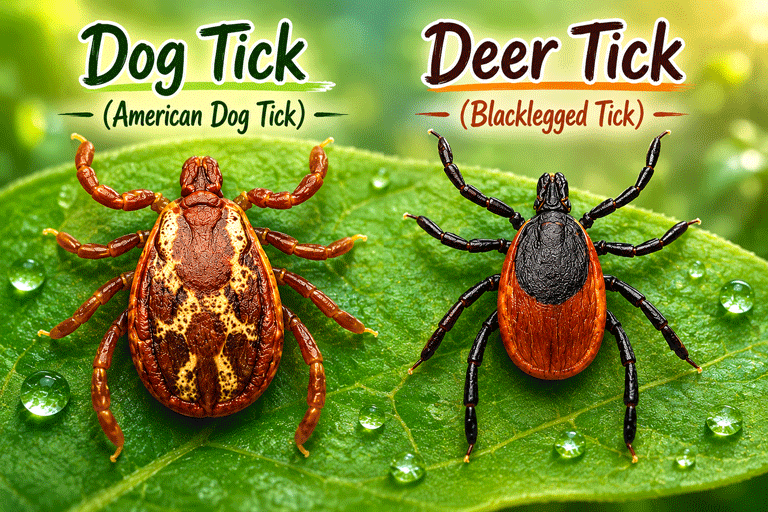
The tick most people refer to as a “wood tick” is usually the American dog tick.
These ticks are relatively large compared to deer ticks and are easier to spot. Adults generally measure about 5–15 millimeters and feature brown coloring with white or gray markings on their backs. They are commonly found in grassy areas and field edges rather than deep woods.
American dog ticks can carry illnesses including Rocky Mountain spotted fever and tularemia, although transmission in Minnesota is relatively uncommon.
The blacklegged tick, or deer tick, presents greater concern.
These ticks are significantly smaller—particularly immature nymphs, which can be the size of a poppy seed. Because of their tiny size, people frequently never notice them attached.
According to the Minnesota Department of Health, blacklegged ticks are responsible for most serious tick-borne diseases in Minnesota, including Lyme disease, anaplasmosis, babesiosis, and Powassan virus infections.
Lone star ticks are still relatively uncommon in Minnesota and Wisconsin but have become increasingly observed in the region. These ticks can spread illnesses such as ehrlichiosis and tularemia and have gained attention nationally because bites have been associated with a rare meat allergy known as Alpha-gal syndrome.
Prevention Starts Before the Hike
Experts consistently emphasize prevention as the most effective strategy.
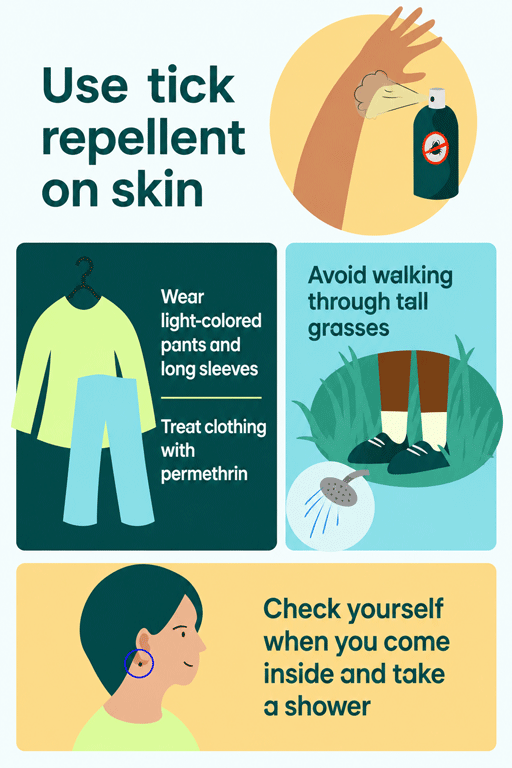
That means using EPA-approved insect repellents containing DEET or picaridin on skin and applying permethrin products to clothing and gear. Wearing light-colored clothing also helps make crawling ticks easier to spot. Tucking pant legs into socks may not create a fashion statement, but it creates a barrier that keeps ticks from reaching skin quickly.
Perhaps the most important prevention step happens after returning indoors. Perform thorough tick checks.
Examine legs, behind knees, around waistbands, under arms, behind ears, and along hairlines. Parents should carefully inspect children, and pet owners should check dogs and cats because pets frequently bring ticks indoors.
What If One Bites?
Finding a tick attached doesn’t automatically mean illness. Timing matters.
Health experts recommend removing the tick as quickly as possible using fine-tipped tweezers. Grab the tick close to the skin and pull upward slowly with steady pressure. Avoid twisting, crushing, or using folklore remedies such as nail polish, petroleum jelly, or matches. Clean the bite area afterward with soap and water.
After a bite, monitor for symptoms during the following days and weeks.
Possible warning signs include:
- Fever or chills
- Fatigue
- Headaches
- Muscle aches
- Joint pain
- Rashes, including the classic bull’s-eye rash sometimes associated with Lyme disease
- Swollen lymph nodes
Doctors often remind patients that not every tick-borne illness produces a bull’s-eye rash, meaning symptoms resembling flu-like illness during warmer months deserve attention.
Don’t Let Ticks Win
The reality is that most Minnesotans and Wisconsinites won’t stop enjoying the outdoors because of ticks. People will continue golfing, hiking, fishing, hunting, camping, and sitting around cabin campfires. The goal isn’t fear. It’s awareness.
A tick is no larger than a seed or pencil eraser, yet it can create weeks—or sometimes months—of health complications if ignored. Fortunately, prevention, regular checks, and quick action after exposure can greatly reduce risk.
So before heading down that trail, onto the fairway, or into the woods, remember one simple rule of Upper Midwest living:
Check for ticks before they check in with you.