Taken: A Family’s Story Of Deportation
By Katelyn Vue, Sahan Journal
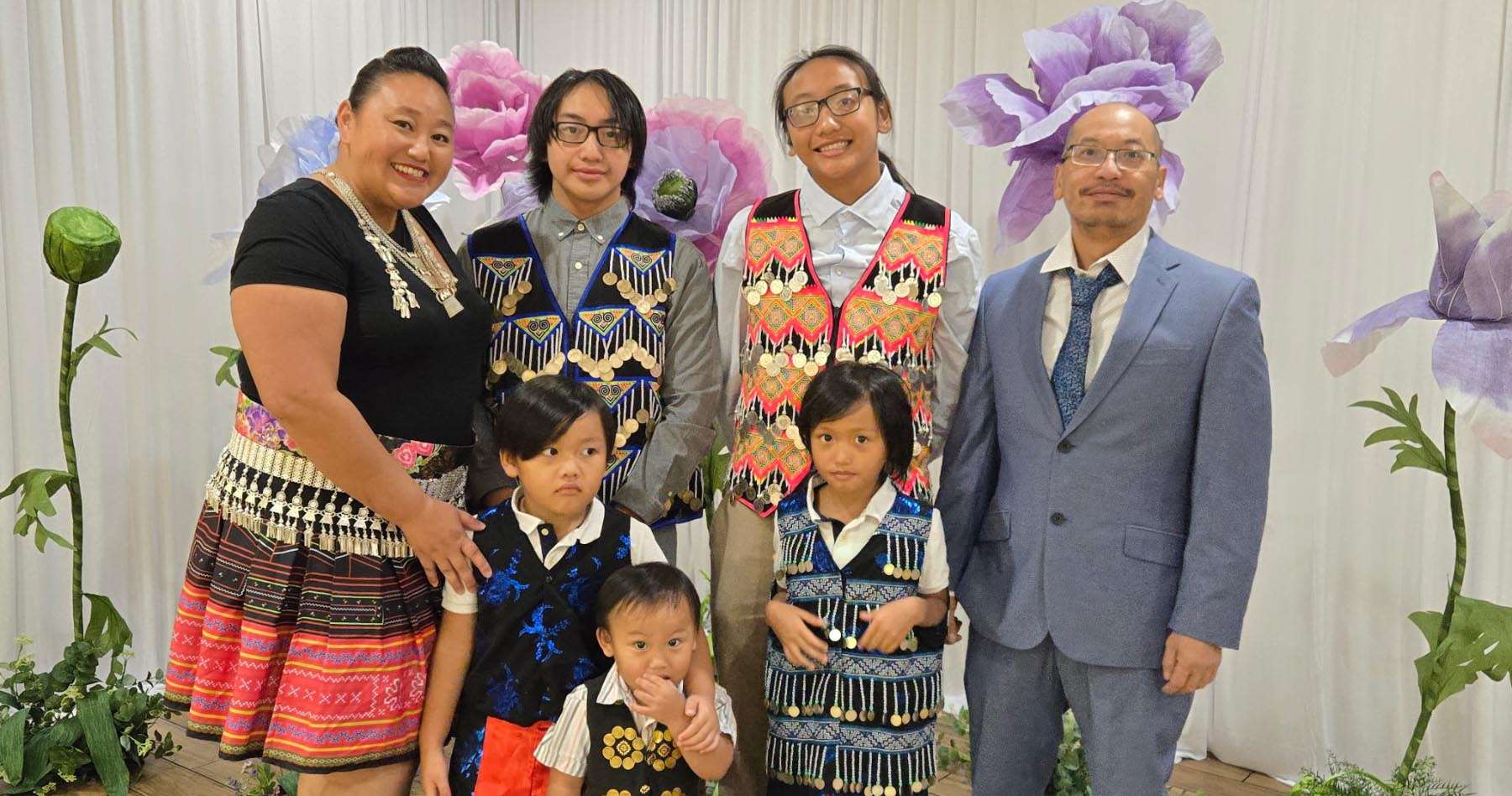
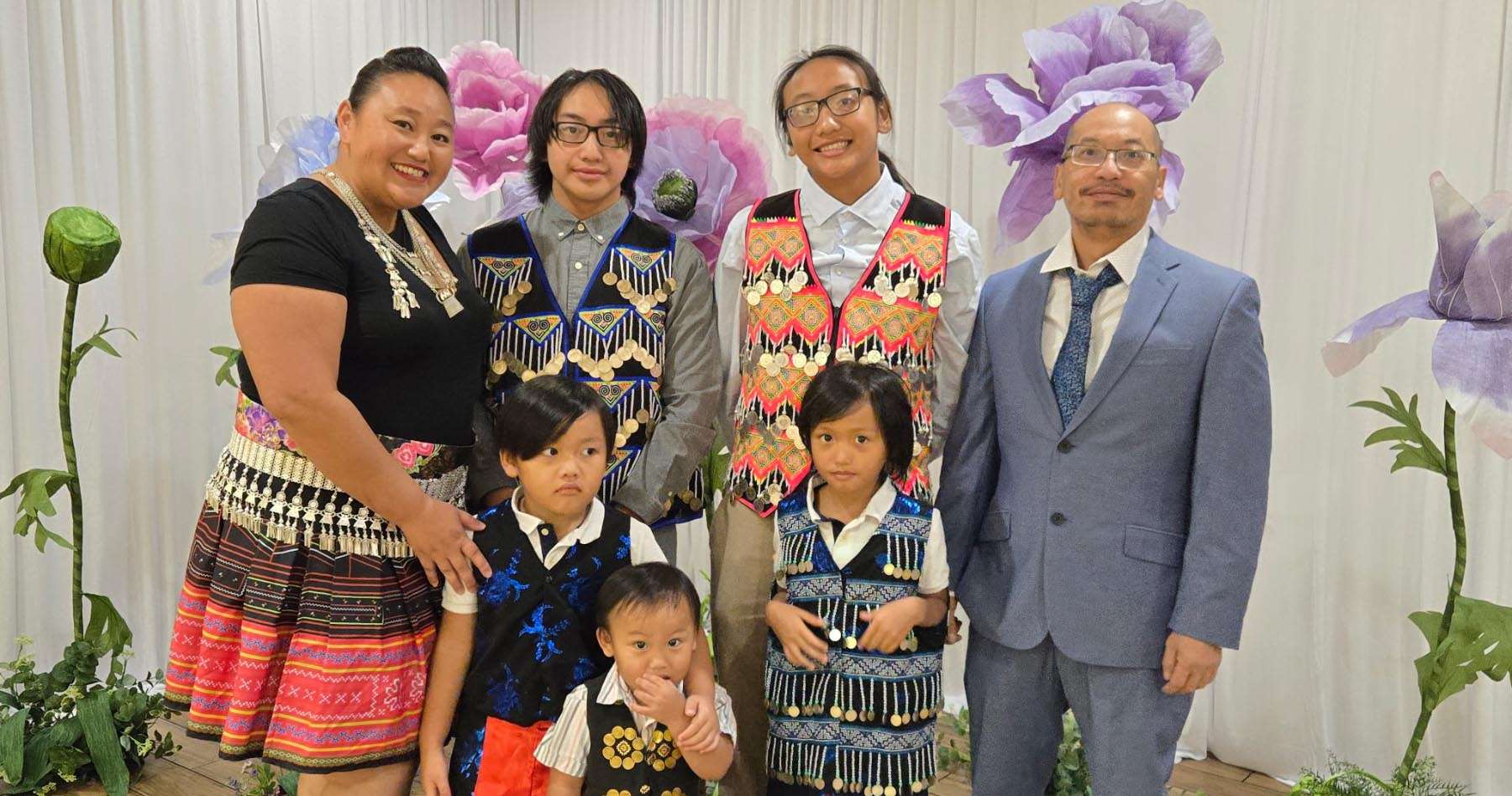
Taken: A family’s story of deportation is an occasional series that will publish throughout the year following the Yang family as they navigate a new normal without husband and father, Zong, who was deported to Laos in May. Linda Yang is now raising their sons alone in South St. Paul, juggling the needs of a recent high school graduate and four other boys ranging in age from 3 to 15.
This story comes to you from the Hmong Times’ partnership with the Sahan Journal, a nonprofit newsroom dedicated to covering Minnesota’s immigrants and communities of color. Sign up for a free newsletter to receive Sahan’s stories in your inbox.
Linda Yang was driving to work on a cold February morning when a large white van seemingly appeared out of nowhere and cut her off. Other vehicles suddenly rushed in, blocking her on all sides. U.S. Immigration and Customs Enforcement (ICE) agents jumped out and approached her. They asked if they could go to her home and pick up her husband, Zong. She refused. He was home with their youngest sons. She wouldn’t let things get messy in front of them. She wouldn’t let them take away the father of her five sons until they could say their goodbyes.
The agents told her they would come for Zong at 9:00 a.m. the next morning. Linda rushed to pick up her older sons from school. She called Zong. “ICE is coming to get you,” she said. “They’re going to come tomorrow morning.”
Until recently, they had never thought Zong, 48, would be deported due to a felony burglary conviction from his twenties, which led to a final order of deportation. The couple felt safe from that possibility most of their marriage. But that sense of security shattered last year when local news outlets reported that Hmong residents from Minnesota and elsewhere were being deported to Laos.
Federal immigration agents had been watching their South St. Paul home. They confronted Linda on February 4, a day before Zong was due for one of his regular check-ins with the ICE office at the Bishop Henry Whipple Federal building.
A few months after agents swarmed Linda’s car, Zong was deported to Laos, a country he had never stepped foot in before. Overnight, Linda, 41, was turned into a single mother of five sons – King, 3; Titan, 7; Everest, 8; Kenji, 15; Yaay, 17.
“I guess it was just kind of like, ‘It’s real. It’s happening,’ you know?” a teary-eyed Linda told Sahan Journal. “The day that we thought that would never happen, happened.”
One Last Day
Several relatives trickled through Linda and Zong’s house for hours the day Linda was stopped by ICE, crying and joking at times in an attempt to lighten the mood until 2:00 a.m. Some of their siblings, cousins and Zong’s son from a previous marriage gave Zong a pep talk, assuring him they would support his family while he was in Laos.
Linda and Zong received several calls from an unknown number throughout the morning after Linda’s encounter with ICE. She finally picked up the call around noon. A federal agent was on the other end. ICE agents would take Zong to his check-in the next morning so he could fill out paperwork, and then he would be “released,” she said the agent told her. They also said they planned to take Zong to a different location instead of the Whipple building because of ongoing protests.
She let out a sigh of relief – Zong would return home, she thought. Still, questions lingered: Could she trust federal agents to tell the truth? ICE agents had never accompanied Zong to an appointment in the past.
Yaay, who family members refer to by his middle name, Aden, spent most of the day in his room like he would any other day, thinking his dad would return home after his immigration check-in the next day.
Zong sensed that his three youngest sons felt the heavy atmosphere in their house. They didn’t know why everyone had gathered, and Zong couldn’t bring himself to explain the situation. Instead, he told Everest, Titan and King multiple times that he loved them, and that he had to go away.
He told his two oldest sons, Yaay and Kenji, that he was facing potential deportation because of a felony conviction. They understood the gravity, having seen news coverage of Operation Metro Surge. He asked all of his sons for forgiveness, explaining that he was being taken away and not leaving them by choice.
“It’s nothing that you guys or mom did. It’s something I did – a mistake, way back before I met your mom, and now I have to face the consequences of it,” he told them.
Linda and Zong had discussed the deportation process with their oldest sons in the past year to prepare them for the possibility.
“I was more aware of it and knew what was going to happen, so I was already able to mentally prepare myself while they still can’t really grasp it,” said Yaay, referring to his younger brothers. “They’ll have to go through a lot more of their lives, compared to mine, without our dad.”
Part of Linda and Zong held onto some hope that federal agents would take Zong to his check-in the next morning and bring him home instead of detaining him for deportation. The other part slowly began accepting the painful reality that it could be Zong’s final hours with his family on U.S. soil.
Linda packed underwear, pants, shirts, socks and shorts for Zong. Zong grabbed his essentials: allergy medicine, hydrocortisone cream, contact lenses and his glasses. They laughed later when Zong found that Linda had packed only three shirts.
Thoughts of running away crept into Zong’s mind as family and friends continued arriving to say their goodbyes, but he told himself he couldn’t get away from his past.
“I just need to take it head on,” he told himself, comforted by the knowledge that Linda and his sons were by his side. “That’s what really, really helped me mentally, too, but even at that, we’re all still human – we want to be with family, your kids, your wife, and it was a tug of war,” Zong said later as he reflected on the last night with his family.
Linda and Zong made breakfast for their sons the next morning. Linda’s phone buzzed again with a call from a federal agent. They wanted to detain Zong before 9:00 a.m. She refused. She didn’t want her sons’ last image of their father to be of him walking away with federal agents.
“Wait until the boys board their buses and leave for school,” she told the agent. She felt relieved when the agent obliged. The agent told her they would send no more than two agents to the house and agreed not to put Zong in handcuffs.
Yaay, Everest and Titan boarded their buses soon after the call as federal agents sat in vehicles idling nearby. Kenji, 15, stayed home to see his father off. About 9:00 a.m., less than 30 minutes after the last boys left, two federal agents came to the door. Zong grabbed his duffel bag and backpack. Linda and Zong hugged and kissed.
“What are the chances that you guys are really releasing him back to me?” she asked the agents. They brushed her off, she said, saying they needed Zong for paperwork. She pressed on. “Can I come with you?” she asked.
They wouldn’t allow her to get in their vehicle. She worried they would bring Zong to a “random warehouse.” But the federal agent on her front porch told her they were taking him to the Whipple building, contradicting what another agent had told her over the phone the previous day.
As the two agents drove off with Zong, five other vehicles parked on the same street quickly pulled away, said Linda, who was stunned that more agents had been concealed and waiting. Linda’s brother sat in a vehicle nearby, ready to give chase. She joined him, eager to see Zong walk out of the Whipple building free to go home.
Taken continues in the next issue of the Hmong Times.
Image 1: The Yang family is shown in an undated photo taken at a family event. Back row left to right: Linda, Yaay, Kenji and Zong. Front row left to right: Titan, King and Everest. Credit: Provided by Linda Yang
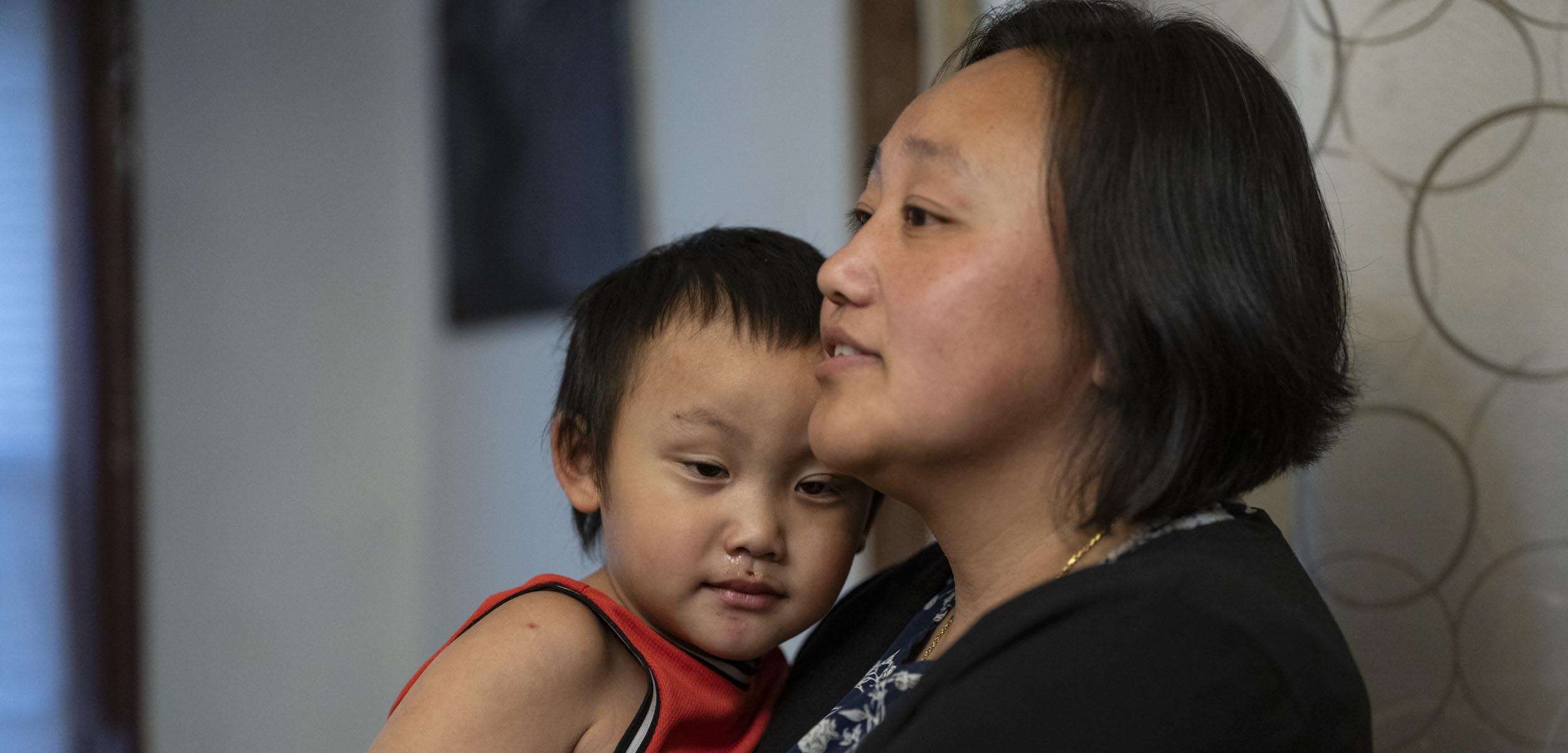
Image 2: Linda Yang holds her youngest son, King, 3, in her arms at their South St. Paul home on May 6, 2026. Linda’s husband, Zong Yang, was deported to Laos in early May, leaving her alone to raise their five sons. Credit: Aaron Nesheim | Sahan Journal