A New Way To Embrace Winter: Stay Overnight At A Minnesota State Park!
By Deborah Locke, Communications Specialist, MN DNR
Want to meet winter halfway and have fun at the same time? Many state parks offer outdoor activities and overnight accommodations year-round.
This story will describe winter lodging accommodations at three state parks that have proximity to the metro: William O’Brien, Lake Maria and Afton state parks. For a listing of all Minnesota parks with information about activities, lodging, programs and equipment rental, go to mndnr.gov/parkfinder. Remember that parks differ with what they offer, so prepare before you leave home.
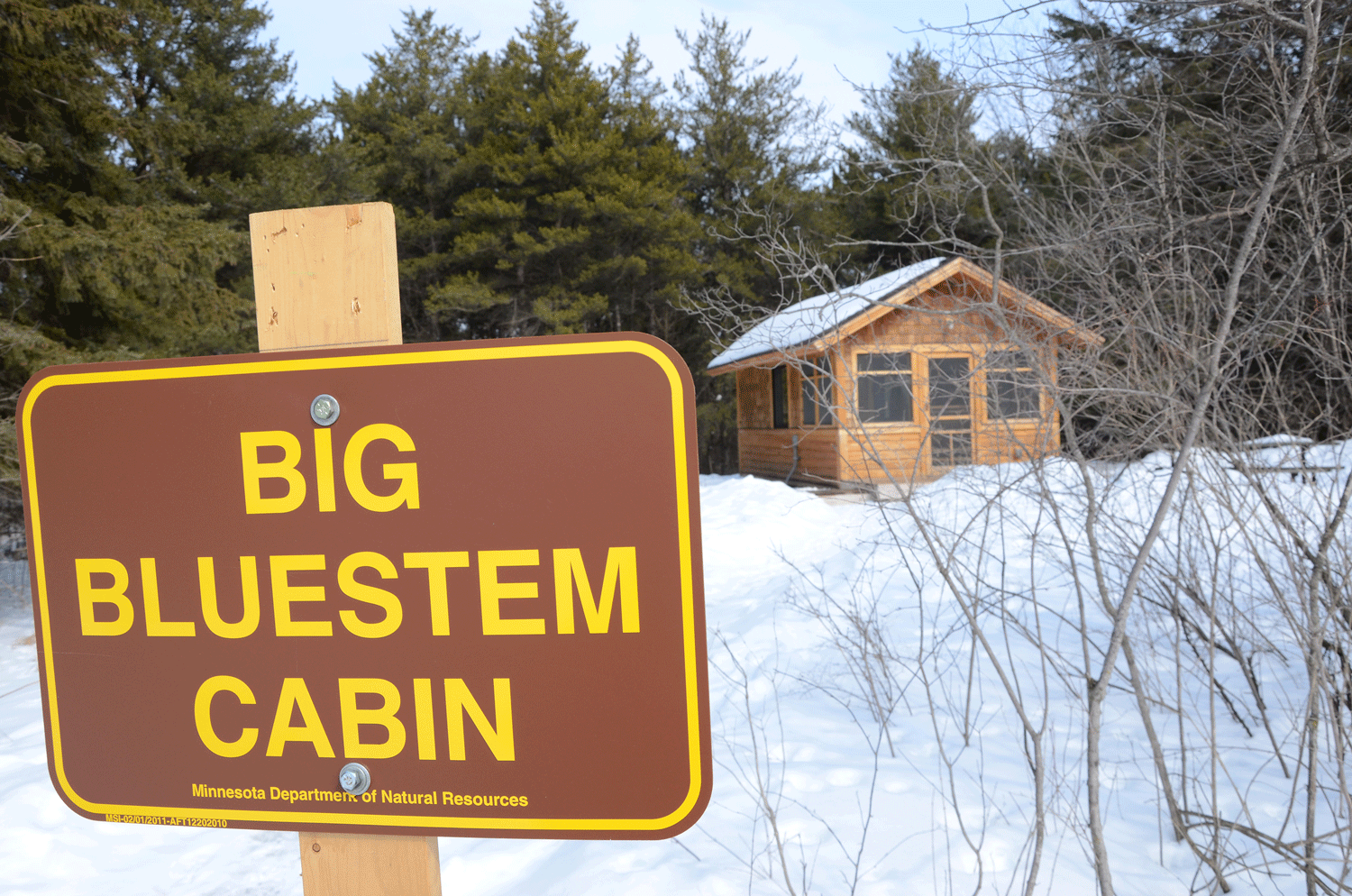
The parks listed above offer these lodging opportunities: campsites, camper cabins, and yurts (Afton State Park only). Camper cabins are rustic with two sets of bunk beds, a pull-out or futon double bed, and a small table with benches. Some have electricity and heat; others use a wood stove. Go online to see what is offered, and its proximity to a parking lot. Some camper cabins are a quarter mile to two miles from the parking area so you will hike in. As for restrooms, you’ll be using an outdoor vault toilet in the winter.
William O’Brien State Park is the exception to hiking in as you can drive up to its three camper cabins. Additionally, the park has eight winter campsites with nearby vehicle parking. Cross-country skiers enjoy the park’s 12-mile network of groomed trails; hikers enjoy the peaceful view of the St. Croix River. Wayne Boerner, park supervisor, said that some visitors skip the outdoor recreation altogether and stay warm inside, reading a book.
Lake Maria State Park offers the overnight park visitor more challenges, but some say it also offers more rewards. You’ll walk farther to reach the park’s non-electric, rustic camper cabins, said Kenny Giannini, park supervisor. Often visitors pull a sled or toboggan the half mile or mile to the cabin’s front door. The three cabins are heated with a wood burning stove; wood is provided. There are 14 backpack-only campsites, requiring a three-quarter to two-mile hike. Ski trails are groomed once there’s enough snow for a base.
Kenny said the park is secluded and rustic, and it’s rare to find a secluded park close to the metro. “It’s not for everyone, but for those who want peace and quiet, they love it,” he said.
He stressed that it is important for visitors to understand what is meant by rustic camping. Remember this: You hike in, there is no electricity or running water, you’ll use an outdoor toilet, and the cabins are heated with a wood stove.
DNR senior climatologist Kenny Blumenfeld is an annual visitor to Lake Maria State Park. He has stayed at the rustic camper cabins since 2020. “I love it that you can’t just drive up to the cabin,” he said. “Instead, you hike five to fifteen minutes to get in, and once in, you’re on your own.”
Kenny likes to leave behind the ease of home appliances and climate control for a sense of peace and solitude. When the park is windy, he hears rustling and groaning and popping sounds all over the forest. The spectacle of that “music” makes it easy to be away from home for a while, he said.
He often bikes into Monticello, and in the afternoon, returns to the cabin and hikes through the park. On occasion, Kenny will start a fire in the fire ring, and sit outside as evening settles in.
Yurts, larger canvas covered structures, are available to Afton State Park near Hastings. Nick Bartels, park supervisor, said that no electricity is available at the park’s two yurts which are heated by a wood stove and sleep up to seven. Visitors need battery operated lanterns for light.
The park has four camper cabins with nearby parking. The park’s 27 rustic backpack campsites are available year-round and require about a one-mile hike from the parking area. Afton State Park is popular for its 12 miles of groomed ski trails.
Generally, reservations for winter overnight lodging fill quickly on weekends. If you feel a need to try something new for a couple days, look no further than your nearest state park. Lean into winter, which has made a bold appearance this season.
Images courtesy Minnesota DNR.